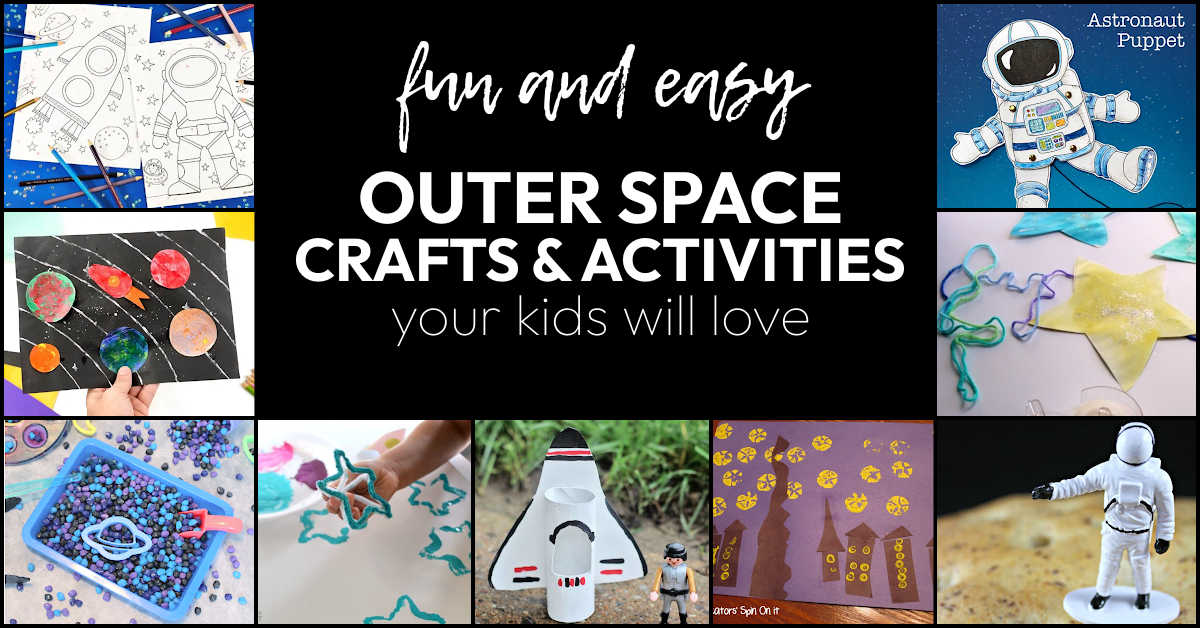
Blast Off! Engaging Outer Space Crafts for Preschoolers
The cosmos has an irresistible pull, especially for young, curious minds. From twinkling stars to mysterious planets and high-flying rockets, outer space themes captivate children and ignite their imaginations. For preschoolers, transforming this fascination into hands-on projects not only provides endless fun but also serves as a fantastic gateway to learning and developing crucial skills. If you're looking for stellar activities that blend creativity with educational exploration, diving into outer space crafts for preschoolers is your perfect mission. These projects go beyond simple art; they offer a unique way to introduce complex concepts in an age-appropriate, engaging manner. Prepare to embark on an intergalactic journey right from your kitchen table or classroom!Why Outer Space Crafts are a Cosmic Win for Preschoolers
Space themes naturally grab children's attention, making them an ideal choice for creative activities. Preschoolers are at a stage where their curiosity about the world around them is boundless, and the vastness of space offers an endless canvas for wonder.Igniting Curiosity and Learning
Space crafts provide a wonderful opportunity to introduce basic science concepts. As children create their own solar system, moon, or rocket, they naturally start asking questions about what these objects are and how they work. This fosters a natural inclination towards scientific inquiry and makes learning about planets, galaxies, and stars much more interesting and tangible. It's a fantastic way to lay foundational knowledge for future STEM learning.Developing Essential Skills
Beyond the educational content, space crafts are powerhouses for skill development.- Fine Motor Skills: Cutting paper, gluing small pieces, painting details, and even squishing slime all contribute to strengthening little fingers and improving hand-eye coordination.
- Creativity and Imagination: There's no "right" way to make a planet or an alien. These crafts encourage children to express themselves freely, experiment with colors and textures, and use their imagination to create their unique vision of space. This imaginative play often extends beyond the craft itself, leading to hours of storytelling with their creations.
- Problem-Solving: Deciding how to attach parts of a rocket, choosing colors for a galaxy, or figuring out how to make a moon look cratered involves simple problem-solving that builds cognitive flexibility.
- Sensory Exploration: Many space crafts, like galaxy slime or textured moon art, offer rich sensory experiences that are vital for early childhood development.
Stellar Craft Ideas for Your Little Astronauts
Ready to launch into some amazing outer space crafts for preschoolers? Here are some engaging ideas that are sure to be a blast!1. Paper Rockets That Really Fly (or Almost!):
There's nothing quite like a rocket craft to get imaginations soaring! You can create simple paper rockets using a printable template or by rolling construction paper into a cone shape. Add fins and a window for an astronaut. For an extra element of fun and a touch of science, turn these into straw rockets. After assembling, attach a straw to the back and let kids blow into it to propel their rockets. This simple mechanism introduces basic principles of aerodynamics and air pressure, making for a fun space-themed competition to see whose rocket flies highest!
Materials: Cardstock or construction paper, scissors, glue, markers/crayons, drinking straws, optional rocket template.
Pro Tip: Encourage children to decorate their rockets uniquely. Will it be a sleek silver explorer or a rainbow-colored party rocket?
2. Crater Moon Art with a Twist:
The moon's surface, with its mysterious craters, is fascinating. Recreate this texture using a pom-pom printing technique! Dip cotton balls or pom-poms into grey, white, and black paint and dab them onto a dark background (like black or dark blue paper) to mimic the moon's surface. Add glitter for stars or small cut-out stars for extra sparkle. This activity is wonderful for exploring textures and colors.
Materials: Black or dark blue construction paper, grey/white/black paint, pom-poms or cotton balls, clothes pins (to hold pom-poms), optional glitter.
Educational Spin: Talk about why the moon has craters (meteors hitting its surface) and what astronauts found there.
3. Galaxy Slime Sensations:
Sensory play is crucial for preschoolers, and galaxy slime is a fantastic way to engage multiple senses. Mixing up a batch of sparkly, glittery slime in blues, purples, and blacks takes less than 10 minutes and uses just a few ingredients. Kids will enjoy hours of stretching, pulling, and squishing this mesmerizing creation. It's an excellent way to introduce the concept of nebulae and swirling galaxies.
Materials: Clear glue, liquid starch or borax solution, water, food coloring (blue, purple, pink), various glitters (silver, iridescent, star-shaped).
Safety Note: Always supervise children when making and playing with slime, especially with younger preschoolers, and ensure they wash their hands afterward.
4. Marbled Planets: A Universe of Color:
Each planet in our solar system is unique, and marbled planets allow preschoolers to create their own vibrant versions. This can be a low-mess craft using shaving cream and food coloring or even oil and water. For a simple version, spread shaving cream on a tray, drop different colored food coloring onto it, swirl gently with a stick, then press paper onto the colorful mixture. Lift the paper, scrape off excess shaving cream, and reveal a beautiful marbled planet! Each planet will look wonderfully different but still stunning.
Materials: Shaving cream, food coloring, toothpicks or craft sticks, cardstock, shallow tray, ruler or cardboard scrap (for scraping).
Educational Tie-in: Discuss the different colors and features of real planets (e.g., Mars is red, Jupiter has stripes).
5. DIY Astronaut Puppets & Peg Doll Play:
Inspire imaginative play with personalized astronauts! You can make simple astronaut paper bag puppets, allowing children to draw faces, add helmets, and create suits with aluminum foil. For a more durable option, craft peg doll astronauts. Paint small wooden peg dolls with white suits and attach small paper flags. These little figures, perhaps with a homemade cardboard rocket ship, can provide hours of pretend play, encouraging storytelling and role-playing adventures in space.
Materials: Paper bags or wooden peg dolls, paints, markers, aluminum foil, scissors, glue.
Spark Creativity: Encourage kids to name their astronauts and describe their missions.
6. Density Snow Globes:
Combine a craft with a fascinating science lesson by creating a "space" or "planet" snow globe that demonstrates density. Fill a jar with layers of different liquids (like honey, colored water, and oil) and watch them separate. Add glitter for stars or a small plastic toy astronaut/rocket. This visual experiment helps kids learn about density and why oil and water don't mix, offering a peek into the grand beauty and scientific principles of space in a tangible way.
Materials: Clear jar with a lid, water, cooking oil, honey or corn syrup, food coloring, glitter, small plastic space-themed trinkets.
Supervision: Adult supervision is recommended due to the liquids and potential for mess.
Tips for a Successful Space Craft Mission
To ensure your space crafting adventures are more "blast off!" and less "crash landing," keep these tips in mind:
- Preparation is Key: Gather all your materials before you start. There’s nothing worse than stopping mid-craft to search for glue or scissors!
- Embrace the Mess: Space crafts can get messy, and that's part of the fun! Lay down newspaper or a craft mat, and dress kids in old clothes.
- Focus on the Process, Not Just the Product: Encourage creativity and experimentation. The goal isn't to create a perfect replica, but for children to enjoy the act of making and exploring.
- Integrate Learning Naturally: As you craft, talk about the planets, stars, and astronauts. Ask open-ended questions like, "What color is Mars?" or "What do you think it's like on the moon?" This informal learning makes the experience richer. For more ideas on integrating science, check out Spark Curiosity: Space Crafts for Preschool Science Fun.
- Adapt and Customize: Feel free to simplify or elaborate on crafts based on your child's age and attention span. Use what you have on hand – recycling cardboard tubes from paper towels or toilet paper can easily become fantastic paper roll rockets!
Conclusion
Embarking on a journey through outer space crafts for preschoolers is an incredibly rewarding experience. These hands-on activities do more than just fill an afternoon; they ignite imagination, develop crucial fine motor and cognitive skills, and introduce basic scientific concepts in an exciting, memorable way. Whether you're crafting shimmering galaxies or launching homemade rockets, each project offers a unique opportunity for discovery and creative expression. So, gather your supplies, put on your crafting helmets, and get ready to create a universe of wonder right at home or in the classroom. For even more creative projects, explore Hands-On Space Crafts: Creative Projects for Little Explorers and let the adventure begin!
